 Scottsdale Sewer Line Repair And Replacement Contractor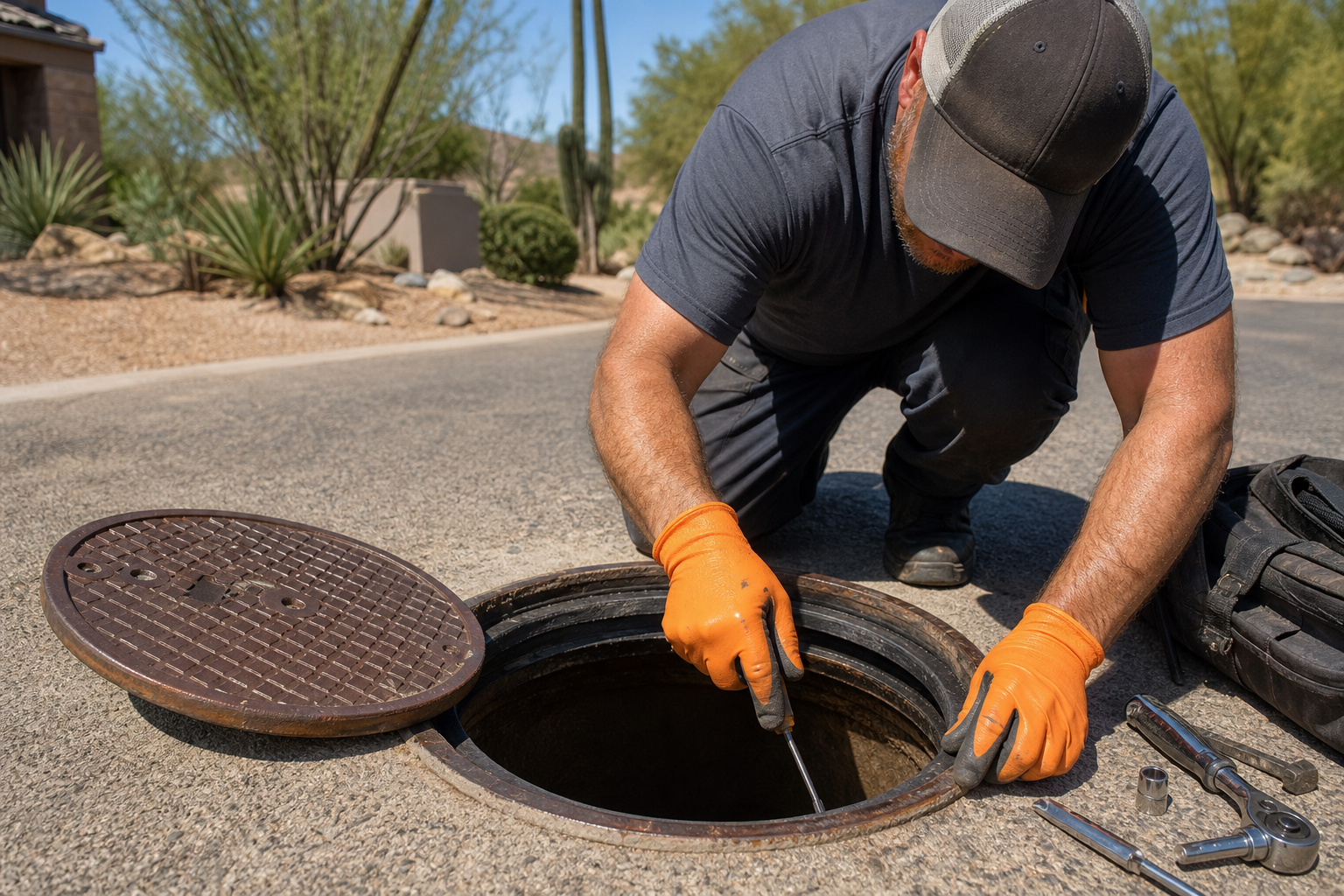
What Qualifies as a Sewer Emergency
Sewer emergencies typically involve sewage backing up into sinks, tubs, or toilets, standing water or sewage odor in the yard, a complete blockage affecting all drains in the house, or visible pipe collapse. These situations differ from routine slow drains in that they pose immediate sanitation concerns and can worsen quickly if not addressed.
Immediate Steps to Take
If you notice sewage backup, stop using water fixtures in the affected area to avoid making the situation worse. Avoid contact with sewage-contaminated water and keep children and pets away from affected areas. If the backup is severe, shutting off your main water supply can help limit additional water entering the system while you wait for assistance.
How We Diagnose Emergency Situations
Upon arrival, we quickly assess the situation, often using a camera inspection to locate the blockage or damage point without delay. This allows us to determine whether the issue stems from a collapsed section, a major root intrusion, a foreign object blockage, or another structural failure.
Emergency Repair Approaches
Depending on what the inspection reveals, we may perform an immediate spot repair, clear an obstruction, or, if the damage is extensive, recommend a more permanent fix such as trenchless repair or full replacement once the emergency is stabilized. Our priority in the moment is stopping the immediate problem and restoring basic function to your plumbing system.
After the Emergency Is Resolved
Once the urgent issue is handled, we discuss longer-term solutions if the underlying pipe condition suggests future problems are likely. This might include recommending a full camera inspection, sewer pipe relining, or replacement to prevent similar emergencies from recurring.
Preventing Future Emergencies
Regular camera inspections can catch developing problems, such as root intrusion or early-stage cracks, before they escalate into emergencies. If your property has a history of sewer issues, scheduling periodic inspections can help you stay ahead of major failures.
Related Services
Emergency situations often lead to follow-up work such as sewer line repair, sewer line replacement, or trenchless sewer repair depending on what caused the emergency. Sewer camera inspections play a key role both during the emergency response and in preventing future incidents.
Frequently asked questions
What should I do first if I notice a sewer backup at home?
Stop using water fixtures in the affected area, avoid contact with any sewage water, and contact a sewer repair professional promptly to assess and address the issue.
Can emergency sewer repair fix the problem permanently on the first visit?
Sometimes a spot repair resolves the issue completely, but in other cases the emergency fix stabilizes the situation while a more permanent solution, like replacement or relining, is planned.
What typically causes sudden sewer line emergencies?
Common causes include tree root intrusion, pipe collapse from age or ground shifting, foreign object blockages, and sudden failures in already deteriorated piping.